Liposuction Michigan for Men: Growing Body Contouring Options

For years, cosmetic surgery for men sat in the background. It happened quietly, often by referral, often after a long period of private research. That has changed. Men in Michigan now ask more direct questions about body contouring, recovery time, visible scarring, whether results will look athletic rather than overdone, and how to address areas that do not respond to disciplined training. Liposuction is part of that shift.
The phrase Liposuction Michigan often brings to mind a straightforward fat removal procedure, but the real conversation is more nuanced, especially for male patients. Men usually approach body contouring with different goals than women do. Many want a firmer waistline, less fullness in the chest, a cleaner jawline, or reduced bulk in the flanks without looking like they “had work done.” Most are not chasing a dramatic change in silhouette. They want proportion, sharper lines, and clothing that fits the way it used to, or the way it should.
That practical motivation is one reason liposuction has become more relevant for men across Michigan, from metro Detroit to Grand Rapids, Ann Arbor, Lansing, and suburban communities where long work hours, travel, stress, and age work against the lean physique many had in their twenties or thirties. Even very fit men can struggle with specific areas of stubborn fat. The abdomen may stay soft despite regular lifting. Love handles can persist when the scale says body weight is “normal.” Under the chin, a pocket of fullness can make a person look older or heavier than he is.
What matters most is understanding what liposuction can do well, where it falls short, and why treatment planning for men deserves its own lens.
Why more men are considering liposuction now
Male patients tend to arrive after trying the obvious fixes first. Usually that means a period of stricter nutrition, more cardio, targeted training, or a renewed effort after noticing that body composition has shifted in the forties and fifties. The pattern is familiar. Weight may go down, but the waist does not narrow much. Shirts fit better in the shoulders but still catch at the midsection. The chest softens even when the arms and legs stay relatively lean.
Hormones, genetics, aging, and stress all play a role. So does the simple fact that fat distribution in men often concentrates in highly visible areas. A few extra pounds in the flanks can change how every pair of trousers fits. A mild fullness under the chin can alter the entire profile in photos and video calls. That kind of localized fat is where liposuction tends to be most useful.
There is also less stigma around cosmetic procedures than there was a decade ago. Men are more open about hair restoration, skin treatments, injectable procedures, and body contouring. They still value privacy, but they do not necessarily see self-improvement as vanity. Many frame it the same way they would frame orthodontics, LASIK, or correcting a sports injury. If a targeted procedure solves a defined problem, they are willing to consider it.
Michigan’s climate and lifestyle also shape demand in subtle ways. Long winters can make weight fluctuations more common. Sedentary work is widespread. Travel between suburbs and business centers often means long hours in the car or at a desk. At the same time, many men want to feel comfortable in golf attire, fitted workwear, summer clothing, and activewear. Body contouring sits right at that intersection of practicality and appearance.
What liposuction actually treats well in male patients
The best male liposuction candidates are not looking for wholesale weight loss. They are trying to improve contour. That distinction matters. Liposuction removes pockets of fat. It does not replace disciplined weight management, and it does not tighten heavily lax skin to the same degree that excisional surgery would.
In men, the most common treatment areas include the abdomen, flanks, chest, chin and neck, and occasionally the back. Each area behaves differently.
The abdomen can respond well when the issue is subcutaneous fat, meaning fat above the muscle wall. A man may have decent muscle tone underneath but still carry a layer of fat that softens the outline. Liposuction can reduce that layer and reveal more definition. The caveat is that not all abdominal fullness is removable with liposuction. Visceral fat, the fat around internal organs, creates a rounder projection from inside the abdomen. Liposuction does not address that. This is one of the most important conversations in consultation, because expectations need to match anatomy.
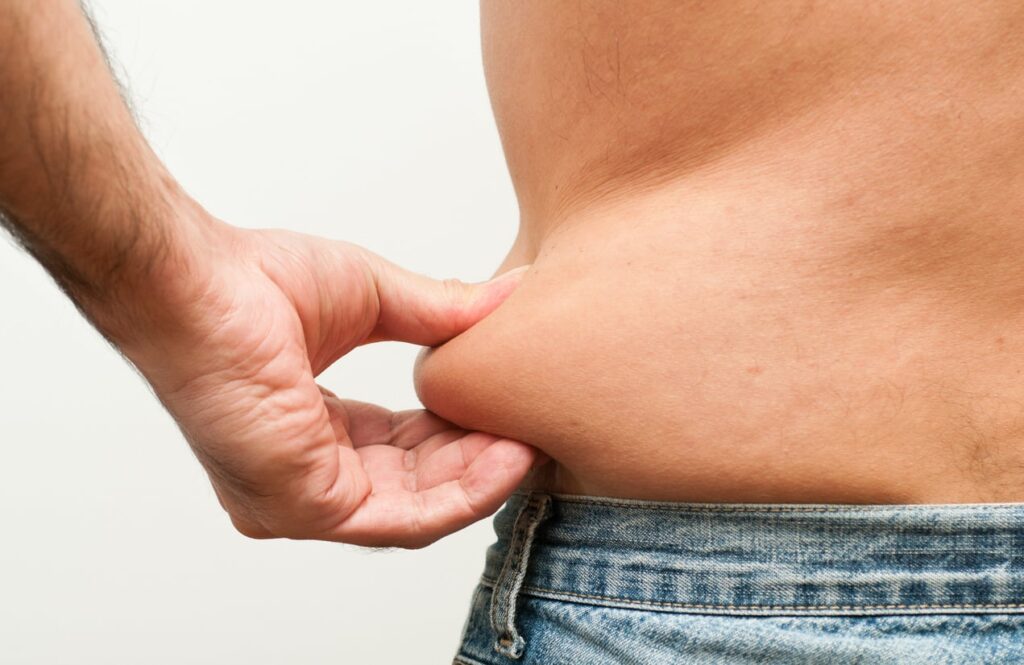
The flanks, often called love handles, are among the most rewarding areas to treat. Even modest reduction there can noticeably improve the torso shape from the front and back. It often changes how jackets, polos, and tailored shirts sit on the frame. Men frequently report that this one adjustment makes their body look more athletic overall.
The male chest requires careful judgment. Some men have excess fat in the chest area. Others have gynecomastia, which may involve glandular tissue, fat, or both. Liposuction can help with the fatty component, but dense glandular tissue may need direct excision for the smoothest result. This is an area where experience matters. An under-corrected chest still looks full. An over-aggressive treatment can create contour irregularities or a scooped appearance.
Under the chin and along the neck, liposuction can sharpen the jawline and reduce heaviness that diet rarely changes. This area appeals to men who want a fresher, less tired look without major facial surgery. The improvement can be striking, but skin quality matters. Younger skin generally retracts better. In older patients, a fuller neck combined with skin laxity may call for a different or combined approach.
Back and lateral chest areas can also be treated, particularly in men who carry weight around the upper torso. These zones can improve how a dress shirt drapes and reduce fullness that shows through thinner fabrics.
The male aesthetic is different
One of the biggest mistakes in body contouring is treating every torso by the same visual standard. Men usually want straighter, stronger lines. They are often aiming for a broad chest, flatter abdomen, and a V-shaped taper through the waist. The goal is not simply “smaller.” It is more structured.
That affects how liposuction is planned. Subtlety matters. If too little fat is removed, the procedure does not justify the recovery. If too much is removed in the wrong place, the result can look hollow, uneven, or unnatural. Men also tend to have denser fibrous tissue than women, especially in the chest and flanks. That can make the procedure technically more demanding in certain areas.
The surgeon’s eye matters as much as the instrument. Body contouring is not just removal. It is shaping. A skilled plan considers muscle mass, posture, skin elasticity, baseline body fat, and where definition should and should not be emphasized. On a fit male torso, preserving natural transitions is critical. The best outcomes usually do not announce themselves. People notice that the patient looks leaner, sharper, or healthier, without immediately identifying why.
Not every man is a candidate, even if he wants the procedure
Suitability depends on more than motivation. A man who is near a stable, realistic goal weight generally does better than someone in the middle of a major weight-loss effort. Skin quality matters. So does the distinction between pinchable subcutaneous fat and deeper abdominal fullness.
Health status counts too. Smoking, uncontrolled diabetes, poor circulation, and certain medical conditions can increase healing risks. Men who expect liposuction to compensate for inactivity or to Liposuction Michigan replace long-term lifestyle change often end up disappointed, even if the technical result is good. The procedure can improve contour, but it cannot protect against future weight gain.
A thoughtful consultation usually covers all of the following:
- whether the concern is fat, skin laxity, glandular tissue, or a combination
- how much improvement is realistic in one procedure
- what recovery will look like for work, exercise, and travel
- where incisions are likely to be placed
- how weight stability affects the result over time
That list sounds basic, but in practice it filters out a lot of misunderstandings. Many men walk in assuming every abdominal bulge is a liposuction issue. It is not. Others assume recovery is so minor they can go back to intense workouts in a few days. Usually they cannot. Better decisions happen when the conversation is specific.
Techniques have expanded, but judgment still comes first
Patients often ask about the newest technology. They want to know whether power-assisted liposuction, ultrasound-assisted liposuction, laser-assisted methods, or other branded systems are “better” than traditional approaches. The honest answer is that technology can help, but no device rescues poor planning.
Different surgeons have different preferences, and there is room for more than one sound technique. In experienced hands, several methods can produce good results. What matters more is whether the chosen approach suits the patient’s tissue quality, goals, and treatment area. Fibrous male chest tissue may be approached differently from a soft flank deposit. A small submental case under the chin is different from a circumferential torso treatment.
Most men should care less about the trademarked name of a system and more about the surgeon’s experience with male anatomy, before-and-after consistency, complication management, and ability to explain trade-offs in plain language. A good consultation does not feel like a sales pitch for a machine. It feels like a plan tailored to the body in front of them.
Recovery tends to be easier than many men expect, but it is not nothing
Liposuction recovery is often described as “a few days down, a few weeks of swelling.” That summary is not wrong, but it is too neat. Recovery is more of a progression. Most men feel sore, tight, and swollen early on. Bruising varies by area, technique, and individual healing. Compression garments are commonly part of the process, and patients need to be willing to wear them as instructed even if they are inconvenient.
Desk work may be possible within several days for some men, especially after smaller treatments. Jobs that require physical labor take longer. Hard training, especially lifting, core work, or strenuous cardio, usually needs a more gradual return. Early overconfidence is common. A patient feels pretty good by day five, does too much, and then pays for it with more swelling and discomfort.
Results also do not appear overnight. This surprises men who expected instant sharpness. There is an immediate reduction in volume, but swelling obscures the final contour for a while. It can take weeks to look clearly improved and months to appreciate the settled result. The men who handle recovery best are usually the ones who understand that healing is part of the procedure, not an annoying delay after it.
What men in Michigan should ask during a consultation
A local search for Liposuction Michigan will pull up many practices, but consultations are where differences become clear. The right questions are not flashy. They are practical.
Ask how often the surgeon treats male patients, and which male areas they contour most often. Ask whether your concern is truly a liposuction problem. If the chest is involved, ask whether glandular tissue may also need treatment. If the abdomen is involved, ask how much of the fullness is likely to be subcutaneous versus internal. Ask how they handle contour irregularities, asymmetry, and revision if needed. Ask what your first two weeks will actually look like, not the polished version.
It is also fair to ask what kind of result is realistic for your body, not for the fittest before-and-after photo in the office. A competent surgeon should be able to describe the expected degree of change without overselling it. Sometimes the most reassuring answer is a measured one. “You will improve, but not look like a fitness model unless the rest of your lifestyle supports it” is a far more trustworthy statement than broad promises.
Cost, value, and what men are really paying for
Liposuction pricing varies widely by treatment area, surgical setting, complexity, and region. In Michigan, cost depends in part on whether the procedure is limited to a small area like the neck, or expands to the abdomen and flanks, or includes chest contouring. Facility fees, anesthesia, postoperative garments, and follow-up care may or may not be bundled in a quoted number, so comparisons require attention.
The lowest quote is not necessarily the best value. Men are paying for evaluation, judgment, sterile technique, planning, execution, follow-up, and complication readiness. Revision surgery often costs more, physically and financially, than getting it done well the first time. A cheaper procedure that leaves visible irregularities, under-correction, or a persistent chest deformity is not a bargain.
That said, expensive does not automatically mean better. Some practices price around reputation or geography. The better approach is to understand what is included, review consistent male results, and decide whether the surgeon’s style aligns with your goals.
Where liposuction fits among other body contouring options
Liposuction is not the only option available to men, and sometimes it is not the best one. For mild fat reduction, certain non-surgical treatments may appeal to patients who want little downtime. Their trade-off is usually less dramatic change and the possibility of needing multiple sessions. For skin laxity, liposuction alone may disappoint. For a chest issue dominated by glandular tissue, direct excision matters more. For a man with major weight loss and loose skin, skin removal may be the real solution.
That is why an honest treatment plan may include combinations or alternatives. The strongest consultations are the ones where the surgeon is willing to say, “This can help, but not in the way you think,” or “You need a different procedure if you want the outcome you are picturing.” Body contouring works best when diagnosis comes before enthusiasm.
The emotional side is more common than many men admit
Men often present body concerns as purely practical. Clothes fit poorly. Photos are frustrating. Exercise is not changing a specific area. All true. Still, the emotional component is real. A fuller chest may make a man avoid fitted shirts or the beach. Abdominal fullness can affect confidence in dating or public speaking. A heavy neck can make a person feel older every time he sees his profile.
There is nothing trivial about that. Appearance affects daily comfort in subtle ways. The men who are happiest after liposuction are usually not those expecting a new life. They are the ones who want one problem reduced so they can stop thinking about it. When the procedure is well indicated, that is often exactly what happens. They stop adjusting shirts in the mirror. They stop dreading photos from certain angles. They stop buying clothes to camouflage one stubborn area.
Choosing well matters more than choosing quickly
If you are considering Liposuction Michigan practices for male body contouring, patience is an asset. Good candidates tend Aesthetic Plastic Surgery & Laser Center Liposuction Michigan to be healthier, more stable in weight, clearer about goals, and more selective about who performs the procedure. Rushing because of an upcoming vacation or event can lead to poor timing and unrealistic expectations.
A sound decision usually comes down to a few essentials:
- the area being treated is truly amenable to liposuction
- your expectations match what anatomy and healing can deliver
- the surgeon has visible experience with male contouring
- you can commit to recovery and weight stability afterward
Those points are less exciting than marketing language, but they lead to better outcomes. For men, liposuction can be a very effective tool. It can sharpen a waistline, flatten resistant pockets, refine the chest in the right cases, and restore a more athletic outline. It is not magic, and it is not for every body type. When chosen carefully, though, it can solve a problem that exercise alone often does not.
That is why demand continues to grow. Men are not necessarily seeking dramatic reinvention. Most are after something more grounded than that. They want a body that reflects the effort they already put in, a cleaner fit in everyday clothes, and a result that looks natural enough that no one asks questions. In the right hands, that is a realistic goal.
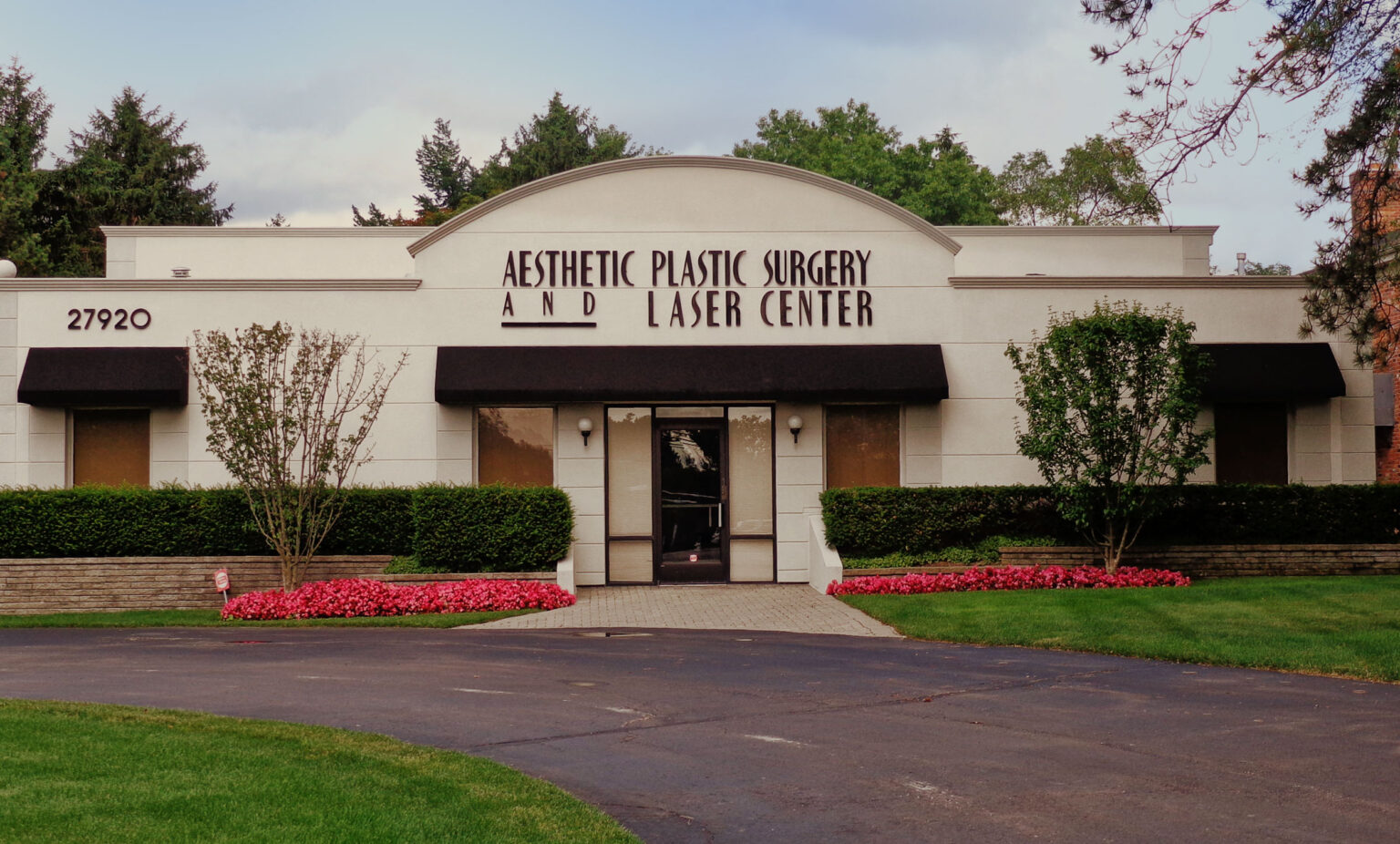
Aesthetic Plastic Surgery & Laser Center, Michelle Hardaway M.D.
27920 Orchard Lake Rd, Farmington Hills, MI 48334, United States
+1 248-221-1957
FAQ About Liposuction Michigan
Is 55 too old for liposuction?
Age 55 alone does not determine suitability. A surgeon evaluates overall health, skin quality, healing risks, and realistic goals. A personal consultation is needed to assess candidacy and discuss alternatives.
What happens 10 years after liposuction?
Contour improvements can last, especially with stable weight. Aging, pregnancy, and weight changes can alter the appearance over time. Results vary, and liposuction does not prevent future body changes.
Can lipo get rid of an apron belly?
Liposuction reduces localized fat but does not remove hanging excess skin. An apron belly may require assessment for a skin-removal procedure instead of, or alongside, fat removal. A qualified plastic surgeon can explain appropriate options and their risks.