Liposuction Farmington Hills: What to Know About Anesthesia Options
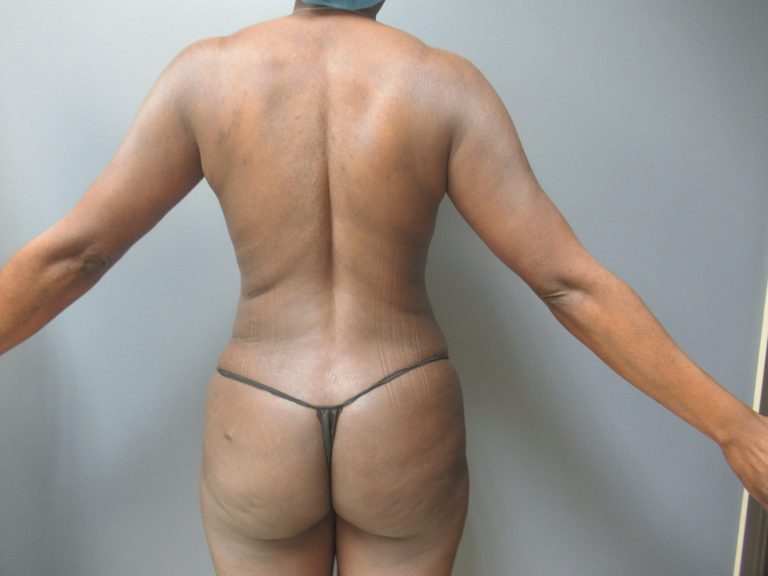
When people start researching body contouring, they usually focus on the visible part of the procedure. They want to know how much fat can be removed, how long swelling lasts, when they can get back to work, and whether the result will look natural. Those are all reasonable questions. Yet one of the most important parts of the decision often gets much less attention at first, and that is anesthesia.
For anyone considering Liposuction Farmington Hills, understanding anesthesia options is not a technical side issue. It directly affects safety, comfort, cost, recovery, and even the kind of result your surgeon can realistically pursue in a single session. A patient having a small area treated under local anesthesia has a very different experience from someone having multiple zones addressed under general anesthesia. Neither approach is automatically better. The right choice depends on the treatment plan, the patient’s health, the surgeon’s technique, and the setting where the procedure is performed.
Anesthesia discussions can sound intimidating because they mix medicine, risk management, and personal preference. In practice, the conversation becomes much more manageable when you break it down into a few clear questions. How much liposuction is being planned? Which areas are involved? How long will the procedure take? How anxious is the patient? Are there medical issues that make one form of anesthesia more appropriate than another?
That is where a careful consultation matters. A good surgeon does not treat anesthesia as a sales point. They treat it as part of the medical strategy.
Why anesthesia matters more than many patients expect
Liposuction is not one single procedure done one single way. Removing a small amount of fat from the under-chin area or lower abdomen is very different from contouring the abdomen, flanks, back, and thighs in the same operative session. The anesthesia plan should match that reality.
The choice influences the patient’s experience from start to finish. During the procedure, it determines how aware and comfortable you are. During recovery, it can affect nausea, grogginess, hydration, mobility, and pain control. From a safety standpoint, it shapes how your airway is managed, how your vital signs are monitored, and what level of medical support is needed in the room.
There is also a practical side. Patients sometimes assume that “being put fully asleep” is the standard for all cosmetic surgery because that is what they have heard from friends. In liposuction, that is not always the case. Many liposuction cases are safely performed with local anesthetic, sometimes with oral medication or IV sedation, especially when the treatment area is limited. On the other hand, larger-volume procedures or multi-area contouring may be better handled with deeper sedation or general anesthesia because precision becomes harder when a patient is uncomfortable, tense, or fatigued.
A thoughtful surgeon balances all of this. Comfort matters, but comfort is not the only goal. The plan also has to support surgical control and patient safety.
The basic anesthesia options used in liposuction
Most anesthesia plans for liposuction fall into a few broad categories. The names can vary a bit from one practice to another, but the concepts are fairly consistent.
Local anesthesia, often with tumescent technique
This is one of the most common approaches for smaller or more focused liposuction procedures. A numbing solution is placed into the treatment area so the tissue becomes firm, swollen, and anesthetized. This fluid often contains saline, lidocaine to numb the area, and epinephrine to reduce bleeding.
The tumescent technique changed liposuction in important ways because it allows surgeons to work with less blood loss and, in appropriate cases, less need for deep anesthesia. Patients remain awake, though they may receive medication to help them relax. You might feel pressure, movement, or vibration, but sharp pain should be controlled.
This option can work very well for modest areas such as the flanks, small abdominal zones, inner knees, bra roll, or under-chin region. Patients who choose local anesthesia often like the shorter recovery profile. They usually avoid the heavier aftereffects that can come with deeper sedation or general anesthesia.
Still, local anesthesia has limits. It is not ideal for every patient. Someone very anxious, highly sensitive to discomfort, or planning extensive contouring may not tolerate a longer awake procedure well. There is also a threshold to how much local anesthetic can be used safely, so the scale of surgery matters.
Local anesthesia with oral sedation
Some patients want the advantages of local anesthesia but need a little more help relaxing. In those cases, the surgeon may pair local numbing with oral anti-anxiety medication. This does not make the patient unconscious. It simply takes the edge off.
In real-world practice, this can be a good middle ground for patients who are nervous but still appropriate candidates for an office-based procedure. They are comfortable enough to get through treatment, but recovery is usually smoother than with deeper forms of anesthesia.
The main caution is that oral medication can affect judgment and coordination for the rest of the day, so transportation and supervision still matter. It is not a “light” option in the sense that patients can just drive themselves home and resume normal errands.
IV sedation, sometimes called twilight sedation
IV sedation occupies the middle space between being fully awake and being under general anesthesia. Medication is delivered through an IV, and the depth can vary. Some patients drift in and out and remember little. Others are sleepy but somewhat responsive.
This is often a strong option when liposuction involves more than one area, when the expected treatment time is longer, or when patient comfort would otherwise become a limiting factor. A surgeon can often work more efficiently when the patient is deeply relaxed and not reacting to each movement.
People tend to like IV sedation because they do not feel fully “out of it” the way they imagine general anesthesia, yet they are spared the awareness of an awake procedure. That said, sedation is still serious medical care. It requires appropriate monitoring, trained personnel, and a facility prepared to handle emergencies. Patients sometimes underestimate that point because the phrase twilight sedation sounds softer than it really is.
General anesthesia
General anesthesia means the patient is fully unconscious. This is commonly used when liposuction is extensive, when it is combined with other procedures such as abdominoplasty, or when positioning and operative time make lighter techniques impractical.
There are clear advantages. The surgeon can work without the patient moving or becoming uncomfortable. Larger contouring plans are easier to execute consistently. For some patients, especially those with significant anxiety, it also offers peace of mind because they prefer to be completely asleep.
The trade-off is that general anesthesia typically involves a more intensive recovery profile. Patients may experience more grogginess, sore throat, nausea, or fatigue afterward, depending on the specific anesthetic used and their individual response. It also generally increases the complexity and cost of the procedure.
General anesthesia is not inherently unsafe when used appropriately in the right setting with the right team. But it should be chosen for sound reasons, not simply because “that sounds easiest.”
How surgeons decide which option fits
The decision is rarely based on one factor. It is more like a matrix, where several variables point toward the best fit.
The first variable is the amount and location of fat being treated. A small pocket under the chin is different from circumferential trunk liposuction. The second is operative time. As treatment duration increases, so does the challenge of keeping a patient comfortable under lighter anesthesia. The third is patient temperament. Some people are calm, curious, and perfectly comfortable staying awake. Others become distressed by the sounds, pressure, or anticipation. Neither reaction is wrong, but it changes the planning.
Medical history is equally important. Sleep apnea, significant heart or lung disease, prior problems with anesthesia, medication interactions, and body mass index may all influence what is safest. Even something as common as a history of severe postoperative nausea can shape the recommendation.
I have seen patients walk into consultations convinced they want general anesthesia, then learn they are excellent candidates for a limited procedure under local anesthetic and leave relieved. I have also seen the opposite. Someone starts out hoping for the least involved option, then realizes their goals require treatment of multiple areas and a longer operative session. In that case, deeper sedation or general anesthesia often makes more sense.
A careful recommendation feels individualized, not automatic.
What the patient experience is actually like
The words used for anesthesia can blur together until you hear what each option feels like in practical terms.
With local anesthesia, the beginning of the procedure often involves several pinches and a sense of fullness or pressure as the numbing solution is placed. After that, patients usually notice movement rather than pain. Some describe it as tugging, vibration, or a strange scraping sensation, though not sharply painful. The experience is tolerable for many, but it helps to be mentally prepared.
With oral sedation added, people often feel detached enough that time passes more easily. They remain aware, but less focused on every sensation. A calm operating room and a surgeon who communicates well make a bigger difference here than many people expect.
With IV sedation, there is usually a rapid fade into drowsiness. Patients often remember very little. They wake up already finished and may feel pleasantly sleepy, though some are disoriented or chilled at first. The first hour after surgery is generally easier than under local only, but the rest of the day often requires more downtime.
With general anesthesia, the patient goes to sleep and wakes in recovery with the procedure completed. There is no memory of the operation itself. Recovery staff monitor them as the anesthetic wears off. Depending on the case, the person may feel fine within a few hours or may need a full day to shake off the aftereffects.
One detail patients often appreciate hearing in advance is that pain after liposuction does not usually feel like a sharp incision pain. It is more often described as intense soreness, bruising, tightness, and swelling. That discomfort pattern is fairly consistent across anesthesia types, although immediate post-op grogginess differs.
Safety depends on more than the medication
Patients naturally ask, “Which anesthesia is safest?” That question is understandable, but too broad to answer responsibly without context.
Safety depends on who is administering the anesthesia, how the patient is monitored, what procedure is being performed, and where it is taking place. A well-selected anesthetic plan in an accredited facility with trained staff is far safer than a mismatched plan used casually in the wrong environment.
When discussing Liposuction Farmington Hills, patients should ask about the setting just as much as the drugs. Office procedure rooms can be entirely appropriate for selected cases, especially under local anesthesia or limited sedation, but they should be properly equipped and staffed. Ambulatory surgery centers and hospitals may be more appropriate for more extensive cases or patients with more complicated medical histories.
The best practices are not glamorous, but they matter. Review of medical history, medication reconciliation, allergy screening, fasting instructions when indicated, intraoperative monitoring, fluid management, and clear discharge criteria all contribute to a safe experience. Most complications in cosmetic surgery do not come from a dramatic single event. They come from shortcuts, poor screening, or overconfidence.
Cost differences and why they exist
Anesthesia affects price, and not simply because of the medication itself.
A procedure done under local anesthesia in a properly equipped office setting may carry fewer facility and anesthesia fees. Once you move into IV sedation or general anesthesia, costs usually rise because you are paying for more monitoring, more personnel, more equipment, and often a different facility. That is not a hidden upcharge. It reflects real medical infrastructure.
Patients sometimes compare quotes from different practices without realizing that anesthesia and facility details may account for a substantial part of the difference. A lower quote is not always an apples-to-apples comparison. One surgeon may plan a smaller treatment area under local anesthesia, while another may be planning a broader contouring session under general anesthesia. Those are not the same service, even if both are called liposuction.
If price is a concern, it is reasonable to ask whether the treatment plan can be staged or narrowed to make local anesthesia appropriate. In some cases, that is a smart compromise. In others, staging can actually increase total cost and prolong recovery overall. This is one of those decisions where convenience, budget, and surgical efficiency have to be weighed together.
Recovery differences by anesthesia type
People usually think of recovery in terms of swelling and bruising, but anesthesia recovery is a separate layer.
After local anesthesia, many patients feel surprisingly alert the same day. They are sore, of course, and they still need rest, hydration, and help getting settled at home, but they are often less foggy. Nausea is usually less of an issue.
After IV sedation or general anesthesia, the first day often feels slower. Even if the surgical soreness is manageable, the body has to process the anesthetic. Some patients nap on and off, have a dry mouth, feel mildly emotional, or have little appetite. This is common and usually temporary, but it is worth planning for.
A practical point that often gets overlooked is mobility. Gentle walking after liposuction matters. It helps circulation and lowers certain risks. Patients recovering from deeper anesthesia may be a little slower to get moving. That does not mean the choice was wrong, only that they need support and realistic expectations.
Questions worth asking at your consultation
A productive consultation does not require you to know medical jargon. It helps more to ask direct, specific questions.
- Which anesthesia option do you recommend for my case, and why?
- Will the procedure be done in an office, surgery center, or hospital?
- Who will administer and monitor the anesthesia during the procedure?
- How long do you expect the surgery to take?
- What side effects or recovery issues are most common with this plan?
Those five questions often reveal a lot. You will learn how personalized the recommendation is, how organized the facility is, and whether the surgeon explains trade-offs clearly or brushes them aside.
When local anesthesia is often a strong choice
There is sometimes a tendency to think lighter anesthesia means a lesser procedure. That is not accurate. For the right patient, local anesthesia can be an excellent choice with real advantages.
A younger, healthy patient seeking refinement of the flanks, a small lower-abdomen pouch, or under-chin fullness may do very well with tumescent local anesthesia. Recovery tends to be simpler. There may be less nausea. The patient avoids a deeper anesthetic than necessary. In many cases, they are up and moving more comfortably later that day.
This is especially appealing to patients who value a quicker return to normal mental clarity. Parents with young children, professionals who cannot take many days away from work, and people who have had unpleasant reactions to general anesthesia in the past often ask about this route first.
The key word is appropriate. Local anesthesia works best when the planned treatment fits within its strengths. Trying to stretch it too far can make the experience miserable and may even compromise the quality of contouring because the patient is fatigued or uncomfortable.
When deeper sedation or general anesthesia may make more sense
There are equally good reasons to choose a deeper anesthetic plan.
If multiple large areas are being treated, if the patient will need repositioning several times, or if liposuction is part of a combined surgery, keeping the patient Liposuction Farmington HIlls michellehardawaymd.com fully comfortable and motionless becomes more important. In those cases, IV sedation or general anesthesia is often not just about comfort. It can support a smoother operation and more consistent surgical execution.
Patients with very high anxiety also deserve an honest conversation. Some people simply do not tolerate the idea of being awake during surgery, even if pain would be controlled. Forcing a patient into a lighter anesthesia plan for cost or convenience can be counterproductive. The operative environment should be controlled and calm, not tense.
That said, “I want to be asleep” should still trigger a real medical discussion. A surgeon should review whether the request aligns with the procedure size, the patient’s health profile, and the facility capabilities.
A few preparation steps that make anesthesia safer
The boring parts of pre-op planning are often the most protective. Patients do themselves a favor when they treat these instructions seriously.
- Give a complete medication and supplement list, including over-the-counter products.
- Be honest about smoking, vaping, alcohol, and recreational drug use.
- Follow fasting instructions exactly if sedation or general anesthesia is planned.
- Arrange a responsible adult to drive you home and stay with you if instructed.
- Report any recent illness, fever, cough, or change in health before surgery day.
It is remarkable how often a smooth recovery begins with these small decisions. A hidden supplement that increases bleeding risk, a patient who drinks water too close to surgery, or a chest cold that seemed minor the day before can change the safety picture quickly.
The bottom line for patients in Farmington Hills
For patients exploring Liposuction Farmington Hills, the smartest approach is not to chase one anesthesia type as if it were universally best. The better goal is to understand why a certain option fits your body, your procedure, and your health.
A trustworthy surgeon will explain the recommendation in plain language. They will tell you what you are likely to feel during and after the procedure. They will discuss the limits of each option without overselling comfort or minimizing risk. They will also place the conversation in the larger context of surgical planning, because anesthesia is part of the treatment design, not a separate menu item.
When that discussion is handled well, patients usually feel more confident very quickly. They stop asking, “What sounds easiest?” and start asking the better question, “What is the most appropriate and safest way to do my procedure well?” That is the question that tends to lead to better decisions, a steadier recovery, and fewer surprises on surgery day.
Aesthetic Plastic Surgery & Laser Center, Michelle Hardaway M.D.
27920 Orchard Lake Rd
Farmington Hills, MI 48334
(248) 221-1957
FAQ About Liposuction Farmington Hills
What disqualifies you from getting liposuction in Farmington Hills?
A surgeon may recommend postponing or avoiding liposuction if a health condition, medication, or nicotine use raises the risk of surgery or poor healing. A consultation is needed to assess your medical history and whether the procedure fits your goals.
Can liposuction remove 20 pounds?
Liposuction is a body contouring procedure for localized fat. It is not a weight loss treatment, and a specific number of pounds is not a safe or useful target. The surgeon determines how much can be removed safely for each patient.
What are the risks of liposuction?
Risks include infection, changes in sensation, uneven contours, and complications from anesthesia or blood clots. A plastic surgeon can explain which risks apply to you and what to expect during recovery.