Liposuction Farmington Hills Recovery Tips for a Smoother Healing Process
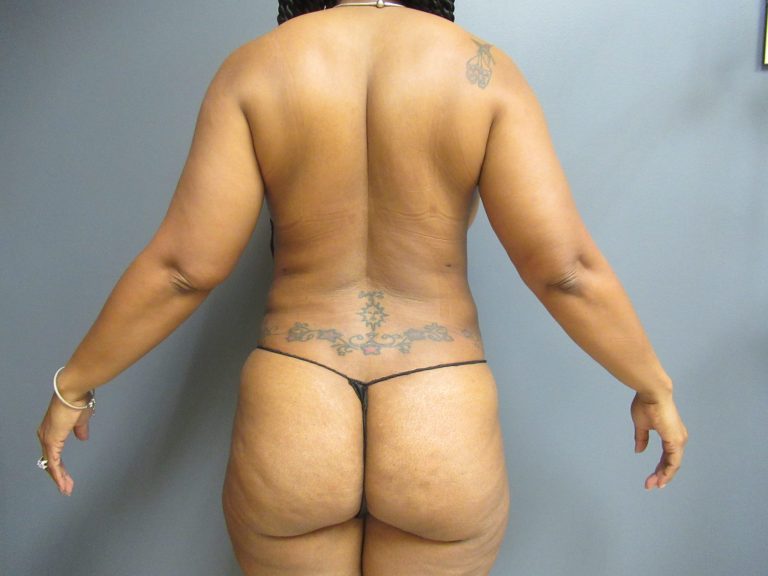
Liposuction can create a meaningful change in body contour, but the procedure itself is only half the story. Recovery is where patients either support their result or make the first few weeks harder than they need to be. After years of seeing how healing unfolds in real life, one pattern stands out: patients usually do best when they prepare for the recovery period with the same care they bring to choosing their surgeon.
If you are planning Liposuction Farmington Hills treatment, it helps to know that healing is rarely dramatic, but it is almost never instant. Most people feel better in stages. Swelling shifts. Soreness comes and goes. One area softens while another still feels firm. That uneven pace can be unsettling if you expected a straight line. It is completely normal.
A smoother recovery usually comes down to a handful of practical decisions, made consistently. Rest enough, but do not stay planted on the couch for days. Wear your compression garment as directed, even when you are tired of it. Stay ahead of dehydration. Respect the fact that small pockets of swelling can linger much longer than bruising. These details matter more than most people expect.
What recovery usually feels like in the first few weeks
Liposuction recovery is often easier than patients fear, but more involved than many online before-and-after posts suggest. In the first several days, soreness tends to feel more like deep muscle tenderness than sharp surgical pain. Patients often describe it as the sensation after an intense workout, except it lasts longer and involves stiffness when standing up, bending, or changing position in bed.
Swelling starts early and can remain for weeks to months, depending on the area treated, the amount of fat removed, and how your body typically heals. The abdomen and flanks often feel tight. Thighs can feel heavy and awkward for a bit, especially when getting in and out of a car. Arms may improve quickly in appearance but still feel tender to touch longer than expected.
Bruising varies widely. Some patients barely discolor, while others turn shades of blue, purple, and yellow over a broad area. Both can be normal. Drainage from tiny incision sites can also happen in the first day or two, especially if a tumescent technique was used. It looks alarming if you are not warned ahead of time, but mild fluid leakage onto pads or garments is often part of the process.
There is also the emotional side. Recovery can be surprisingly psychological. A patient may feel pleased one morning, then anxious that evening because one side looks puffier than the other. That kind of temporary asymmetry is common in Liposuction Farmington HIlls early healing. It does not mean the result is wrong. It usually means the tissue is still settling.
Set up your home before the procedure, not after
One of the most avoidable mistakes is trying to organize recovery supplies after surgery. Once you get home, even simple tasks feel more tiring. Reaching into low cabinets, carrying groceries, and standing in the kitchen longer than ten minutes can suddenly feel like a lot.
Prepare your space in advance. Put water bottles, medications, gauze, clean towels, and loose clothing where you can reach them easily. If your surgeon expects you to wear a compression garment continuously except during showering, buy or wash enough clothing that fits over it comfortably. Front-opening tops are often easier than anything that needs to be pulled over the head, particularly if the upper body was treated.
A recovery station does not need to be elaborate. It just needs to be practical. A nearby phone charger, pillows to support your position, easy meals, and a clear walking path around the bed and bathroom make a noticeable difference. Patients who set this up beforehand usually move through the first forty eight hours with far less frustration.
Transportation matters too. If you are having Liposuction Farmington Hills surgery at a local practice, think beyond the ride home. Consider who can help you the first night, who can pick up prescriptions if there is a delay, and whether you will need assistance getting to your first follow-up appointment.
Compression garments are uncomfortable, but they are often worth it
Few parts of recovery are more misunderstood than compression garments. Patients tend to think of them as optional shaping tools. In reality, when prescribed by your surgeon, they are part of the healing plan. They help manage swelling, support tissues as they adapt, and may improve comfort by limiting excess motion in treated areas.
The key is fit. A garment that is too loose does not do much. One that is painfully tight can create new problems, including skin irritation, bunching, pressure marks, or numb spots that are harder to interpret. If your garment rolls, digs, or leaves severe indentations, bring that up at follow-up rather than trying to tolerate it in silence.
Most patients reach a point, often around the end of the first week, when they are sick of wearing compression and start looking for excuses to take Liposuction Farmington HIlls it off longer than instructed. That is understandable. It can feel hot, restrictive, and tedious. But this is one of those moments where consistency usually pays off. The patients who follow compression instructions carefully often have a calmer recovery period than those who wear the garment only when it feels convenient.
If you live in Michigan and have your procedure during a warm stretch, plan for temperature management. Loose cotton clothing, light bedding, and a cool room help a lot. A patient who overheats in compression tends to become restless and less compliant.
Walking helps, but overdoing activity is a common setback
After liposuction, movement is good medicine. Not intense exercise, but regular, gentle walking. Short walks help circulation and reduce the sluggish, stiff feeling that builds up after lying down for too long. They also support bowel function, which matters because anesthesia, pain medication, and reduced activity can lead to constipation.
That said, there is a clear difference between healthy movement and trying to prove you are back to normal. Every practice sees some version of the same story: a patient feels decent on day four or five, runs errands, cleans the kitchen, folds laundry, maybe even squeezes in a workout, then wakes up the next morning more swollen and sore. Healing tissue does not care that the activity felt manageable in the moment.
A useful rule is to let discomfort guide pace, not mood. Feeling bored is not a sign that the body is ready for more. If a short walk leaves you wiped out, swollen, or throbbing later, scale back. On the other hand, if you are moving around the house comfortably and your surgeon has cleared light activity, several brief walks through the day can be better than one long effort.
Patients with physically demanding jobs need to plan carefully. Desk work may be possible within days for some people, while lifting, bending, and standing for long shifts often require more time. This is especially true when multiple areas were treated.
Hydration and food do more work than people realize
Recovery has a way of exposing everyday habits. Patients who routinely skip water, rely on takeout, or eat very little protein tend to feel that more acutely after surgery. Swelling, fatigue, and constipation all become harder to manage.
Hydration sounds basic, but it changes how people feel. Not because water is magical, but because mild dehydration makes everything worse. Patients can feel dizzy, headachy, tired, and more nauseated when they are behind on fluids. Sipping steadily through the day is usually more realistic than trying to drink large amounts all at once.
Food matters for the same reason. The body is repairing tissue. It benefits from enough calories and protein to do that well. This does not mean following a rigid “healing diet” from social media. It means eating sensibly and regularly. Eggs, yogurt, chicken, fish, beans, soups, fruit, cooked vegetables, and whole grains are all practical choices during the first week when appetite may be a bit off.
It also helps to keep sodium in perspective. A salty meal can noticeably increase temporary swelling. That does not ruin your result, but patients often panic when they wake up puffier after restaurant food. It is usually fluid retention, not a surgical problem.
The milestones that deserve your attention
Patients usually want a simple timeline, but recovery is too individual for a neat script. Even so, there are a few milestones that matter because they tell you whether healing is moving in the expected direction.
- In the first 48 hours, expect soreness, swelling, possible drainage, and fatigue.
- By the end of the first week, many patients are moving more comfortably, though still swollen and easily tired.
- Around weeks two to four, bruising often fades significantly, but firmness and uneven swelling can still be very noticeable.
- Over the next several weeks, contour begins to look more refined as tissue softens and fluid shifts out.
- Final definition may take several months, especially in larger treatment areas.
These are broad patterns, not promises. A smaller area treated with a modest amount of fat removal may settle much faster than circumferential liposuction of the abdomen, flanks, back, and thighs. Skin quality matters too. Younger skin or skin with better elasticity often adapts more efficiently than skin that has been stretched by major weight changes or pregnancy.
Do not judge your result too early
This may be the single most important recovery tip. Early swelling can distort the treated area enough that patients think the procedure did not work, or worry that it worked too aggressively. Neither impression is reliable in the short term.
A patient may look smaller in one outfit within two weeks but still feel lumpy to the touch. Another may look almost unchanged at three weeks because swelling is masking the contour change, then suddenly notice a cleaner waistline at seven or eight weeks. Both scenarios are common. Liposuction does not reveal itself on a social media timeline.
This is also where comparison causes trouble. Two friends can have the same procedure and heal at very different speeds. One may be back in jeans quickly. The other may stay puffy in the lower abdomen for much longer. That difference does not automatically reflect surgical quality. Bodies heal according to their own biology, circulation, skin tension, hormonal status, and activity patterns.
When patients in the Liposuction Farmington Hills area ask what they can do to “make swelling go away faster,” the honest answer is that patience and compliance beat hacks. There is no tea, wrap, or trendy supplement that replaces time.
Incision care needs consistency, not creativity
Liposuction incisions are small, but they still deserve attention. Follow your surgeon’s instructions exactly. Patients sometimes assume tiny incisions need little care, then improvise with products they found online. That is where irritation starts.
Keep the area clean. Use only the ointments, cleansers, or dressings recommended by your surgical team. If glue strips or small coverings were applied, ask before removing or replacing them. Avoid soaking in tubs, pools, or hot tubs until cleared. Even small wounds heal more reliably when kept dry and protected from contamination.
Scars from liposuction are usually modest, but placement, skin tone, and individual healing patterns make a difference. A person who forms darker marks after acne or bug bites may also notice that liposuction incision points stay visible longer before fading. That is not unusual. Scar maturation is slow, often taking many months.
When firmness, numbness, and lumpiness are normal
A lot of recovery questions center on texture. Patients expect swelling, but they are surprised by firmness, temporary numbness, or areas that feel uneven under the skin. These sensations can be unsettling if nobody explained them ahead of time.
After liposuction, tissues are healing beneath the surface. That can create hard or rubbery areas for a while. Some zones may feel almost normal while others remain puffy and dense. Mild numbness or altered sensation can also persist for weeks or longer as small nerves recover.
What matters is the trend. Normal post-operative firmness gradually improves. The skin usually softens. Sensation slowly returns. Areas that once felt sharply different start blending more naturally. If instead you develop increasing redness, severe pain, sudden one-sided swelling, unusual warmth, or fever, that deserves prompt medical attention.
This is one reason follow-up visits matter. A trained eye can usually distinguish routine post-operative changes from something that needs intervention. Patients who skip appointments because they “feel okay” sometimes miss the reassurance, or guidance, that would have made the next few weeks easier.
Sleep position, showering, and other small details that become big details
Recovery is often shaped by annoyances rather than major pain. Sleeping comfortably is one of them. If the abdomen or flanks were treated, lying flat may feel tight at first. Extra pillows under the knees or behind the back can help. If outer thighs were treated, side sleeping may be uncomfortable longer than expected. Setting up support before bedtime saves a lot of midnight frustration.
Showering can also be more tiring than patients anticipate. The first shower often feels like a full project: removing the garment, handling tenderness, seeing bruising, then getting everything back on without twisting too much. It helps to keep the room warm, move slowly, and have clean dressings ready if your surgeon wants them changed.
Clothing choice matters more than style during the first phase. Soft, loose items that do not press against incision areas tend to be best. Many patients buy recovery clothes they never wear again, when a few familiar basics would have done the job. Comfort almost always wins.
Watch for the signs that should prompt a call
Most recovery discomfort is expected, but some symptoms deserve faster attention. The safest approach is to call your surgeon if something feels clearly different from what you were told to expect. Patients sometimes wait too long because they do not want to “bother the office.” Good surgical practices would rather answer a simple question early than hear about a worsening problem later.
Call your surgical team if you notice any of the following:
- Fever, chills, or spreading redness around incision sites
- One area becoming rapidly more swollen, tense, or painful than the rest
- Shortness of breath, chest pain, or calf pain
- Drainage that looks thick, foul-smelling, or pus-like
- Pain that is worsening rather than gradually easing
Those warnings are not there to create anxiety. They are there because prompt evaluation matters. Most calls turn out to be routine questions, but that is still the right use of follow-up care.
How to protect your result after the initial recovery
Once the early soreness fades, attention shifts from healing to maintenance. Liposuction removes fat cells from targeted areas, but it does not exempt anyone from weight gain. Remaining fat cells can still enlarge if body weight climbs significantly. This is where expectations need to stay realistic and mature.
The best long-term results usually happen when liposuction is used for contouring, not as a substitute for overall health habits. Patients who stabilize their routine after surgery, consistent meals, regular movement, decent sleep, manageable stress, usually keep their shape more predictably. Those who swing between restriction and rebound gain often feel disappointed, even if the surgery itself was technically successful.
This does not mean perfection is required. Real life includes holidays, stressful seasons, and occasional weight fluctuations. What matters is the broader trend. If your weight is generally stable, the contour change from liposuction tends to hold up far better over time.
A steady recovery is usually a successful one
The most reassuring thing to know is that smooth healing often looks unremarkable. It is not dramatic. It is not instantly photogenic. It is a series of ordinary, disciplined choices repeated over several weeks while the body does what it is designed to do.
For patients considering Liposuction Farmington Hills procedures, the smartest mindset is simple: expect progress, not perfection, and judge recovery by the overall direction rather than the day-to-day noise. Swelling will fluctuate. Energy will return gradually. Areas will soften on their own schedule. None of that means you are off course.
When patients give themselves enough time, follow instructions closely, and resist the temptation to rush back into full activity, they usually find that the process becomes much more manageable. The healing period may test your patience, but it does not have to derail your routine or your confidence. With good preparation and realistic expectations, recovery can be far smoother than most first-time patients imagine.
Aesthetic Plastic Surgery & Laser Center, Michelle Hardaway M.D.
27920 Orchard Lake Rd
Farmington Hills, MI 48334
(248) 221-1957
FAQ About Liposuction Farmington Hills
What disqualifies you from getting liposuction in Farmington Hills?
A surgeon may recommend postponing or avoiding liposuction if a health condition, medication, or nicotine use raises the risk of surgery or poor healing. A consultation is needed to assess your medical history and whether the procedure fits your goals.
Can liposuction remove 20 pounds?
Liposuction is a body contouring procedure for localized fat. It is not a weight loss treatment, and a specific number of pounds is not a safe or useful target. The surgeon determines how much can be removed safely for each patient.
What are the risks of liposuction?
Risks include infection, changes in sensation, uneven contours, and complications from anesthesia or blood clots. A plastic surgeon can explain which risks apply to you and what to expect during recovery.