How Body Contouring Farmington Hills Fits Into a Wellness Routine
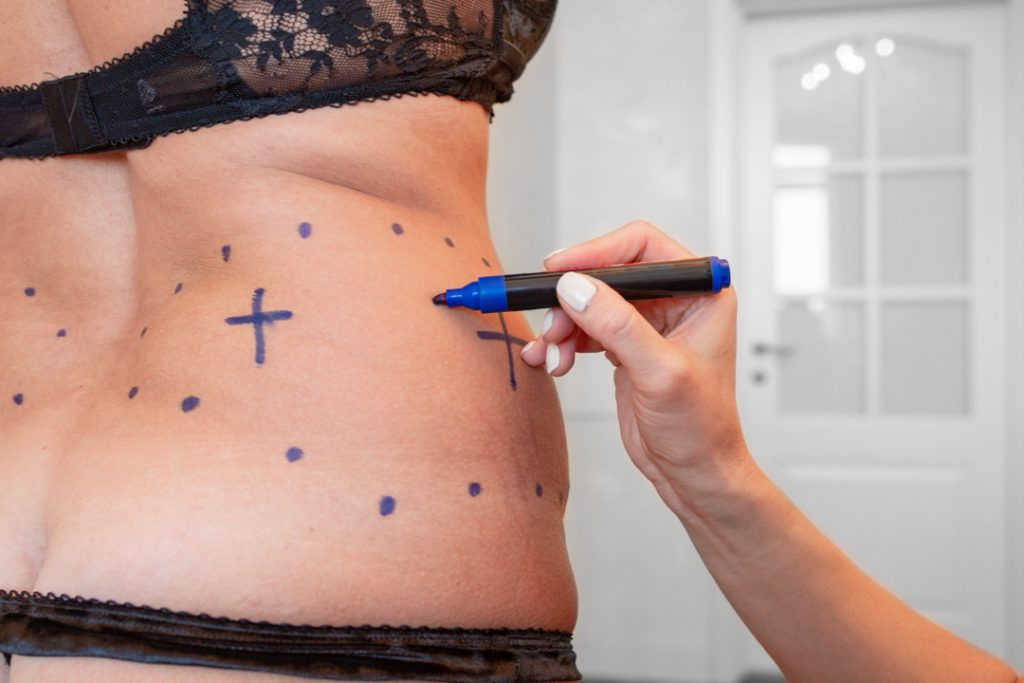
Wellness routines tend to evolve in layers. Someone starts with a daily walk, then improves sleep, then gets more consistent with protein intake, hydration, and stress management. Over time, that routine becomes less about chasing a number on a scale and more about feeling capable, comfortable, and at ease in your own body. That is the context where body contouring often belongs.
For many people, body contouring is misunderstood. It gets framed as a shortcut or a cosmetic indulgence, when in practice it often works best as a supporting tool inside a much broader plan. A person may be exercising regularly, eating well most of the week, sleeping better than they did a year ago, and still feel frustrated by stubborn areas that do not seem to respond. That frustration is common. It can happen after significant weight loss, after pregnancy, during perimenopause, or simply with age-related shifts in body composition.
When patients ask how Body Contouring Farmington Hills fits into a wellness routine, the useful answer is not that it replaces healthy habits. It does not. The more honest answer is that it can complement those habits when expectations are clear and the rest of the routine is solid enough to support lasting results.
Wellness is not only about weight
One of the biggest shifts in modern health conversations is the move away from treating weight as the only marker that matters. Anyone who has worked with clients long enough has seen the limitations of that approach. Two people can weigh the same and have completely different energy levels, strength, sleep quality, metabolic health, and body confidence.
Body contouring sits in that gap between health metrics and lived experience. A person may be medically healthy and still dislike how clothes fit around the lower abdomen. Another may feel proud of losing 40 pounds, but discouraged by a pocket of fullness at the flanks that makes the body still feel unfamiliar. Those concerns are not trivial just because they are aesthetic. They affect confidence, motivation, and sometimes whether someone keeps engaging with the rest of their wellness plan.
That does not mean every body concern needs a procedure or treatment. It means appearance and wellness are not completely separate categories. They overlap more than people admit. Feeling better in your body can reinforce the habits that keep you healthy, especially when the change is approached with perspective rather than perfectionism.
What body contouring actually does
The phrase covers a range of treatments, and that matters because the goals vary. Some methods are designed to reduce small, stubborn fat deposits. Others focus on skin laxity, muscle stimulation, or cellulite appearance. A person looking into Body Contouring Farmington Hills may find options such as radiofrequency-based treatments, cryolipolysis, ultrasound technologies, injectable treatments for small fat pockets, or devices that stimulate muscles while improving tone.
The right fit depends on the problem being solved. If the issue is loose skin after weight loss, a treatment aimed only at fat reduction may disappoint. If the concern is a mild lower belly bulge in an otherwise stable and healthy routine, a noninvasive fat-reduction option may make sense. If someone wants dramatic reshaping in one session, a noninvasive treatment may not match those expectations.
That distinction matters because wellness-minded patients tend to do best when they think in terms of refinement, not reinvention. Body contouring is usually about improving contours by degrees. Sometimes that degree is enough to make jeans fit better and help someone feel more aligned with the work they have already put into diet and exercise. Sometimes it is too subtle for someone hoping for a dramatic transformation. Good decision-making starts there.
The strongest results usually come after the basics are stable
There is a pattern that shows up repeatedly in practice. The people happiest with body contouring are often not the ones looking for rescue. They are the ones already living with reasonable consistency.
They tend to have a fairly stable weight, often within 5 to 10 pounds month to month. They have some rhythm with meals rather than swinging between strict restriction and overeating. They move their bodies regularly, even if that just means strength training twice a week and walking most days. Their sleep is not perfect, but it is improving. They understand stress affects body composition. They are not expecting a device to override nightly takeout, erratic sleep, and no exercise.
That does not mean a person needs ideal habits before considering treatment. Very few people have perfect routines. It means the treatment has a better chance of feeling worthwhile when the foundation is present. Body contouring can accent the work, but it cannot build the entire structure.
I have seen this play out in very ordinary ways. Someone spends six months lifting weights and improving nutrition, loses inches, and then decides to address the area just below the navel that still bothers them. They are thrilled because the treatment helps the final result match the effort. Another person books immediately after the New Year with the hope that one treatment will make a largely unchanged lifestyle feel different. That person is more likely to feel disappointed, even if some technical improvement occurs.
Where it can support a realistic wellness plan
A strong wellness routine has several moving parts: nutrition, movement, recovery, stress regulation, and body awareness. Body contouring can fit alongside each of these, but not in the same way.
With nutrition, the role is mostly indirect. Treatment may help a person feel less preoccupied by one resistant area, which can reduce the urge to over-diet. Extreme dieting is often a reaction to local frustration. Someone cannot spot reduce through food alone, yet they may keep cutting calories in hopes of flattening one section of the body. When contouring helps soften that frustration, the person may settle into a more sustainable eating pattern.
With exercise, the fit is often more direct. People who strength train consistently sometimes notice visible changes in posture, glute shape, or waist definition, but remain bothered by areas where subcutaneous fat hangs on. Body contouring can help those exercise gains show more clearly. It can also be useful after a plateau, when physical performance is improving but mirror-based progress feels stalled.
With stress management, the relationship is subtler. Chronic stress affects sleep, appetite, inflammation, and often midsection weight distribution. No contouring treatment can counter that biology. At the same time, looking and feeling better in your body can reduce a layer of daily self-criticism, and that matters. People are often harder on themselves than they realize. If a treatment reduces one recurring mental friction point, it can support better overall adherence to healthy routines.
Farmington Hills patients often want practicality, not drama
In communities like Farmington Hills, patients often approach wellness with a practical mindset. They are balancing careers, parenting, caregiving, social obligations, and the normal wear of everyday life. They are not usually looking to disappear for weeks of recovery or explain an obvious change to everyone they know. They want something that fits into a schedule and feels proportionate to their goals.
That is one reason interest in noninvasive or minimally invasive body contouring has grown. If a person can attend a treatment, return to most normal activities quickly, and gradually notice improvement over the next several weeks or months, that aligns well with the way many adults manage their health. It feels more like part of a maintenance strategy than a dramatic interruption.
Still, convenience should not be confused with casualness. The best providers take time to evaluate skin quality, fat distribution, medical history, and likely response. Someone with excellent skin elasticity and a small pinchable fat pocket is a different candidate from someone with significant laxity or a larger volume of tissue. Both deserve an honest conversation, especially because “noninvasive” does not automatically mean “right for everyone.”
Timing matters more than people think
There are seasons when body contouring makes more sense, and seasons when it tends to be premature. One of the best times is after a person has maintained a healthier routine for several months and can see where the true sticking points are. By then, swelling from lifestyle swings, travel, and inconsistent eating tends to be lower, and the body’s baseline is easier to read.
It is often wise to wait if weight is still changing rapidly. Someone actively losing a substantial amount of weight may get more value by letting that process play out first. Otherwise, they risk treating one contour only to find their shape changes again a few months later. Pregnancy planning also matters. For obvious reasons, long-term contour goals are harder to assess if the body is likely to go through a major transition soon.
The calendar can matter in simpler ways too. Results from many noninvasive treatments are not immediate. If someone wants improvement for a wedding, reunion, or summer travel, they usually need to think ahead rather than book at the last minute. That sounds obvious, but it is one of the most common planning errors.
A useful consultation asks better questions
People often go into a consultation asking, “How many inches will I lose?” or “Will this get rid of my belly?” Those are understandable questions, but they are not always the most useful starting point. Better questions lead to better decisions.
A strong consultation should clarify whether the concern is fat, skin laxity, muscle tone, cellulite, or a combination. It should explore how stable the patient’s current habits are. It should cover what treatment can and cannot do, how long results may take, and what maintenance may be required. It should also address comfort, downtime, and cost in plain language.
Here are a few questions worth bringing into a consultation:
- What specific issue are you treating in my case: fat, skin laxity, muscle tone, or more than one?
- Based on my body and goals, what degree of change is realistic?
- How long until I see results, and how many sessions are commonly needed?
- What habits will help me maintain the outcome?
- If this option is not the best fit, what alternative would you recommend?
That kind of conversation usually reveals a lot. Sometimes it confirms that body contouring is a sensible next step. Sometimes it shows that a different treatment, or more time spent on foundational habits, would serve the person better.
The emotional side is real, and it deserves maturity
Appearance-based treatments can stir up strong feelings. Some patients feel excited, others feel embarrassed for caring, and many feel both at once. That tension is familiar. People want to be body positive, but they also want to feel better in clothes and less distracted by a body area that has bothered them for years.
The healthiest approach is usually the least dramatic one. It is possible to accept your body and still want to refine it. It is also possible to pursue treatment for the wrong reasons, especially if the goal is to fix self-worth or meet someone else’s expectations. Body contouring tends to work best emotionally when it comes from a grounded place: “I take care of myself, I know what this can and cannot change, and I think this will help me feel more at ease.”
That mindset protects against a common trap, which is treating every normal body feature as a flaw requiring correction. Human bodies are not meant to look airbrushed. Skin folds when we sit. Lower abdomens are often softer than people expect, even in fit skin tightening Farmington Hills individuals. Hips and thighs vary widely based on genetics. A thoughtful wellness routine has room for improvement without turning every inch of the body into a project.
Maintenance is less glamorous than treatment, but more important
The aftercare for body contouring is rarely dramatic, yet maintenance determines whether the investment feels worthwhile. Once the treatment is done, a person still has to live in their body the same way they did before. Meals still happen every day. Stress still shows up. Movement still matters.
The maintenance habits are familiar because they are the same habits that support health in general. Consistent hydration can help with comfort and recovery. Strength training helps preserve lean mass, which shapes the body differently than weight loss alone. Adequate protein supports satiety and muscle retention. Regular sleep helps regulate appetite and recovery. A sustainable calorie balance, rather than cycles of deprivation, keeps results from being undermined.
This is where many people discover the true value of pairing body contouring with wellness. The treatment itself may provide a visible nudge, but the routine preserves it. That relationship can be motivating. A person who notices their waistline looks better after treatment may become more committed to the habits that keep it that way. The contouring does not create discipline by itself, but it can reinforce it.
When body contouring is probably not the right next move
Not every frustration needs a contouring solution, and saying that clearly helps patients more than overselling ever will. If someone is expecting major weight loss from body contouring, they are usually looking in the wrong place. If someone has highly unstable habits and wants treatment to compensate for them, that is also a warning sign. The same is true when a person seems focused on an idealized, edited body standard rather than a realistic improvement.
There are also practical limitations. Certain body types simply respond better to certain technologies. Significant skin laxity often requires a different strategy than localized fat. Medical conditions, implanted devices, or recent surgeries can affect candidacy. A reputable provider will screen carefully and say no when appropriate.
That honesty is part of good wellness care. Not every service belongs in every routine. The goal is fit, not force.
A more grounded way to think about Body Contouring Farmington Hills
The most useful way to view Body Contouring Farmington Hills is as one option within a larger personal care strategy. It is not the foundation of wellness, and it should not pretend to be. The foundation is still sleep, movement, nourishment, hydration, stress management, and realistic self-awareness. But once those pieces are in motion, body contouring can address the gap between overall progress and specific stubborn concerns.
For the right person, that gap matters. It can affect confidence in clothing, comfort at social events, motivation to maintain healthy habits, and the ability to feel that the mirror reflects the effort already invested. Those are not superficial concerns when they are held in proportion.
Good wellness is rarely about doing one dramatic thing. More often, it is the accumulation of measured decisions that work together. A body contouring treatment can be one of those decisions, provided it is chosen carefully, timed well, and supported by the habits that make any physical result more sustainable. Used that way, it stops looking like a shortcut and starts looking like what it often is: a practical refinement inside a thoughtful routine.