Comparing Liposuction Michigan Techniques for Better Outcomes
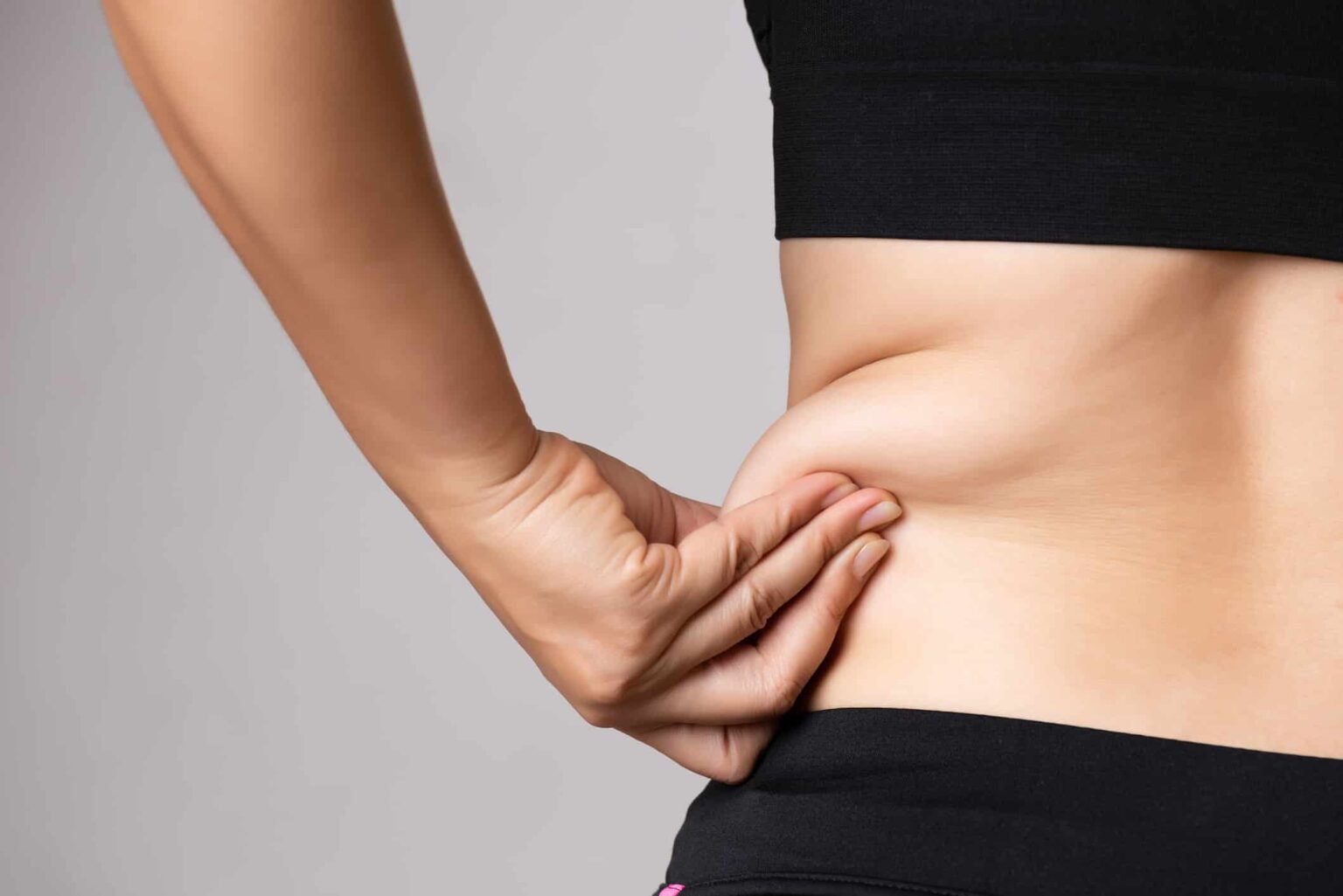
Patients rarely walk into a consultation asking only one question. They may say they want liposuction, but what they usually mean is more specific. They want a smoother waistline after weight loss, less fullness under the chin that no diet seems to touch, or better definition in the flanks without a long recovery that disrupts work and family life. In Michigan, where practices range from large metropolitan surgical centers to smaller boutique offices, the technique matters less as a marketing label and more as a practical tool. Better outcomes come from matching the right method to the right body area, tissue quality, and recovery profile.
That point gets lost when every website promises precision, sculpting, and minimal downtime. Liposuction is not one single procedure performed the same way everywhere. It is a category of fat removal methods, each with strengths, limitations, and ideal use cases. If you are comparing Liposuction Michigan options, it helps to understand what actually changes from one technique to another, and what does not.
At its core, liposuction removes localized fat through a cannula, a slim tube placed through tiny incisions. The surgeon breaks up and suctions out fat while trying to preserve smooth contours and minimize injury to surrounding tissue. The broad goals stay consistent. The difference lies in how the fat is prepared for removal, how much fluid is used, how much heat or energy enters the tissue, and how aggressively the area is sculpted.
Why technique matters less than anatomy, but still matters a great deal
The best liposuction results are shaped by judgment. Technique matters, but only within the context of anatomy. A patient with thick, fibrous male chest tissue is not the same case as a woman seeking gentle contouring of the outer thighs. Someone in their late twenties with strong skin elasticity can often count on better recoil than a person in their late fifties with significant skin laxity, even if the same amount of fat is removed. Those details influence whether a method is likely to deliver crisp improvement or an underwhelming change.
This is where experience shows. A well-trained surgeon does not start by selling a machine. They start by assessing fat distribution, skin quality, prior surgeries, scarring, body mass, and realistic expectations. In my experience reviewing patient questions and surgical outcomes across aesthetic practices, dissatisfaction most often traces back to poor patient selection or overpromising, not to the absence of a trendy device.
Still, methods do affect bruising, swelling, operating time, and contour precision. They also influence how suitable the treatment is for certain areas, especially delicate zones like the neck, arms, and inner thighs.
The baseline: tumescent liposuction
Tumescent liposuction remains the foundation of modern body contouring. Before fat removal begins, the surgeon infuses a solution into the target area. That fluid typically contains saline, a local anesthetic, and epinephrine to reduce bleeding. The tissues become firm and swollen, which helps separate fat cells, improve comfort, and limit blood loss.
For many body areas, especially the abdomen, flanks, thighs, and back, tumescent liposuction is the standard against which other approaches are measured. It is reliable, versatile, and widely used because it works. The procedure may be done under local anesthesia, sedation, or general anesthesia depending on how many areas are treated and the volume involved.
The main advantage is control. Tumescent technique gives the surgeon a predictable operating field and often a strong safety profile when performed properly. Recovery usually includes swelling, drainage from incision sites for the first day or two, compression garments, and soreness similar to an intense workout mixed with deep bruising. Many patients can return to desk work within several days, though visible swelling often lingers for weeks and subtle refinement continues for months.
What tumescent liposuction does not do on its own is tighten significantly loose skin. Patients sometimes assume fat removal will automatically create a taut result. It can improve contour, yes, but skin retraction depends on age, collagen quality, weight history, and the amount of laxity present before surgery.
Power-assisted liposuction and why surgeons often like it
Power-assisted liposuction, often shortened to PAL, uses a cannula that vibrates rapidly. That small mechanical motion helps loosen fat with less force from the surgeon’s arm. It may sound like a minor technical detail, but in practice it can make a meaningful difference, especially in dense or fibrous areas.
Back rolls, male chest tissue, upper abdomen, revision cases, and areas with scar tissue are common examples where PAL can be useful. Because the cannula does some of the work, the surgeon may be able to remove fat more efficiently and with finer control during contouring. It can also reduce operator fatigue in larger cases, and that matters more than patients sometimes realize. Precision tends to decline when a surgeon is physically fighting resistant tissue for hours.
For the patient, the experience after surgery often feels similar to traditional tumescent liposuction. Bruising and swelling vary more by treatment area, volume removed, and individual healing than by the fact that PAL was used. The better outcome is not necessarily a dramatically easier recovery. It is often a smoother contour in challenging tissue.
In many Michigan practices, PAL has become a workhorse rather than a flashy add-on. It does not carry the marketing appeal of energy-based devices, but surgeons frequently appreciate it because it solves practical problems without adding heat to the tissue.
Ultrasound-assisted liposuction for fibrous fat and secondary cases
Ultrasound-assisted liposuction, commonly known by brand-specific terms in some offices, uses ultrasonic energy to help break apart fat before suctioning it out. This can be valuable in fibrous areas and in revision surgery, where the tissue may be less forgiving.
The appeal of ultrasound lies in its ability to emulsify fat selectively. That can make extraction easier and improve sculpting in difficult zones. Male breast reduction cases, upper back fullness, and areas previously treated with liposuction are common situations where ultrasound may offer an advantage. Some surgeons also use it when they want enhanced definition in athletic contouring, though that requires a careful hand and realistic anatomy.
The trade-off is heat. Any energy-based technique introduces the possibility of thermal injury if not used carefully. Modern systems and experienced hands have improved safety substantially, but the learning curve is real. Patients comparing Liposuction Michigan providers should not focus only on whether a practice offers ultrasound-assisted surgery. They should ask how often the surgeon uses it, on which body areas, and why they believe it is appropriate for that specific case.
When ultrasound is used thoughtfully, it can improve efficiency and contouring in the right patient. When it is used as a blanket solution for every body area, it becomes more of a sales feature than a surgical strategy.
Laser-assisted liposuction and the promise of skin tightening
Laser-assisted liposuction attracts patients because it is often linked to the idea of skin tightening. A laser fiber delivers heat beneath the skin, aiming to liquefy fat and stimulate some degree of collagen remodeling. In smaller areas, such as the neck, jawline, arms, or peri-axillary fullness near the bra line, this can be appealing.
The hope is not just less fat, but a firmer look. That is a reasonable goal, but expectations need discipline. Laser-assisted methods may provide mild to moderate tissue tightening in selected patients. They do not replace an arm lift, tummy tuck, or neck lift when excess skin is substantial. Marketing language often blurs that distinction.
For small contour problems, especially when skin quality is only mildly compromised, laser-assisted liposuction can be a sensible choice. A younger patient with early jowling beneath the chin and a modest fat pocket may see a pleasing improvement. A patient with heavy neck laxity and platysmal banding probably needs a different operation.
Because laser techniques generate heat, recovery can involve firmness and swelling that evolve differently from standard liposuction. Small hard areas may soften gradually over time. Some surgeons like laser tools for finesse zones, while others prefer the predictability of suction alone or combine approaches depending on anatomy.
Water-assisted liposuction and gentler fat harvesting
Water-assisted liposuction uses a fan-shaped spray of fluid to loosen fat as it is removed. The method is often described as gentler on tissue, and it has a loyal following for certain body contouring cases. Some surgeons also value it when fat is being harvested for transfer, such as adding volume to the buttocks or correcting contour irregularities elsewhere, because the fat may be treated more delicately during extraction.
Patients sometimes report somewhat easier early recovery, with less trauma in selected cases, though this is not universal. As with every technique, area treated and surgeon skill still dominate the outcome. Water-assisted methods can be elegant in smaller or moderate-volume procedures, but they are not inherently superior for every patient seeking larger-volume contouring.
The term gentler should not be confused with minor. Liposuction Liposuction Michigan of any type is still surgery. Compression, swelling, temporary numbness, and the need for disciplined aftercare remain part of the process.
Where each technique tends to perform best
No single method wins every comparison. Better outcomes come from fit, not hype. In practical terms, the choice often narrows once the surgeon examines the treatment area and the goals.
- Tumescent liposuction is often a strong choice for straightforward contouring of the abdomen, flanks, thighs, hips, and back.
- Power-assisted liposuction tends to excel in fibrous tissue, larger cases, and revision work where efficiency and control matter.
- Ultrasound-assisted liposuction may offer an advantage in dense areas like the male chest, upper back, and secondary procedures.
- Laser-assisted liposuction can be useful in smaller areas where mild skin tightening is a meaningful part of the goal.
- Water-assisted liposuction may be attractive when gentler fat harvesting or fat transfer is part of the plan.
Those are tendencies, not rules. A skilled surgeon can achieve excellent results with more than one approach. It is common for a practice to rely heavily on one core technique because the surgeon knows it deeply and can use it well across many scenarios. Familiarity, consistency, and judgment often outperform variety for its own sake.
Michigan-specific considerations patients often overlook
Climate and geography seem unrelated to liposuction until recovery starts. In Michigan, seasonal realities matter more than people expect. Compression garments under winter clothing can feel manageable from October through March. The same garments in July humidity can become a daily annoyance. Swelling also tends to feel worse when people are overheated or trying to be more socially active in warm-weather months.
Travel is another factor. A patient from Grand Rapids who books surgery in metro Detroit or vice versa may not mind the drive on consultation day. They may think differently during the first postoperative week when sitting upright in a car feels tender and every bump in the road is memorable. Follow-up care should be convenient enough that patients actually attend appointments rather than postpone them.
Michigan also has a broad mix of providers, from board-certified plastic surgeons and facial plastic surgeons to physicians from other backgrounds offering office-based body contouring. That makes credential checking especially important. The technique on the brochure means little if the person holding the cannula lacks depth in aesthetic surgery, complication management, or contour judgment.
The less glamorous truth about better outcomes
Patients often expect the decisive factor to be the machine. More often, it is the plan. Better outcomes usually come from conservative, thoughtful contouring rather than aggressive fat removal. Taking too much can create hollows, grooves, skin adherence, or asymmetry that is far harder to fix than a mildly under-corrected area.
A surgeon with mature judgment knows when to stop. They recognize that smooth transitions between zones matter more than dramatic subtraction in one spot. The abdomen has to flow into the flanks. The outer thigh has to match the buttock and inner thigh. The neck has to fit the chin, jawline, and skin drape. Good liposuction is as much about restraint as removal.
Patients see this most clearly in revision cases. Some of the hardest problems in body contouring come from initial overtreatment. I have seen examples where a patient wanted a smaller waist and ended up with a sharp depression above the hip bone that caught the light in every outfit. Correcting that may require fat grafting, staged revision, or accepting improvement rather than perfection.
Questions worth asking in consultation
The most productive consultations are not built around brand names. They focus on outcomes, safety, and fit. If you are evaluating Liposuction Michigan practices, ask direct questions that reveal how the surgeon thinks.
- Which technique do you recommend for my body area, and why is it better for me than your other options?
- How much improvement do you realistically expect in contour and skin retraction?
- Am I a candidate for liposuction alone, or would another procedure address loose skin better?
- Where will the procedure take place, what type of anesthesia is planned, and who will monitor me?
- How often do you perform revision liposuction, and what problems do you try hardest to avoid in primary surgery?
Notice what a strong answer sounds like. It is specific. It acknowledges limitations. It refers to your anatomy, not just the office’s favorite technology. If every patient is somehow the perfect candidate for the newest device, caution is warranted.
Recovery differences that matter in real life
Recovery is where the theory of technique meets the reality of daily life. Most patients are less concerned with engineering and more concerned with questions like when they can drive, return to work, resume exercise, and stop feeling puffy.
Across techniques, some patterns hold true. Small treatment areas under local anesthesia may allow a return to desk work in two to five days. Larger multi-area cases under general anesthesia often need closer to a week, sometimes more if the job is physical. Compression is commonly advised for several weeks. Swelling may improve dramatically in the first month and continue resolving for three to six months, with subtle refinement beyond that.
Energy-based methods can create a different texture in the early healing phase. Areas may feel firmer, more numb, or irregular before they soften. That does not necessarily signal a poor result, but it requires patience and follow-up. Traditional and power-assisted methods may feel more straightforward in recovery for some patients, though again the size of the case matters more than the label.
What patients often underestimate is fatigue. Even when pain is manageable, the body spends real energy healing. Scheduling surgery just before a major family event, a ski trip, or a physically demanding move rarely ends well.
Safety, volume, and the importance of limits
Better outcomes do not come from removing the maximum possible amount of fat. They come from staying within safe boundaries while preserving proportion. Liposuction is contouring surgery, not a weight-loss method. The scale may move somewhat, but the visual effect usually Liposuction Michigan matters more than the number of pounds removed.
Safety is shaped by fluid management, blood loss control, anesthesia planning, operative time, and postoperative monitoring. Large-volume liposuction can be performed safely in properly selected patients, but it requires discipline and the right setting. If a consultation feels casual about medical clearance, aftercare, or emergency planning, that is not a minor red flag.
Complications do not happen often in experienced hands, but they are possible with every technique. Seromas, contour irregularities, prolonged swelling, temporary numbness, pigmentation changes, infection, and the need for revision all belong in an honest discussion. Thermal devices add concerns related to heat injury. None of this means patients should be fearful. It means they should choose carefully and listen for nuance rather than salesmanship.
Matching the method to the goal
The patient who does best with liposuction is not always the one who chooses the most advanced-sounding technology. It is usually the one whose goals are clear, whose anatomy is suitable, and whose surgeon selects a method with purpose. Sometimes that means standard tumescent liposuction because it is reliable and enough. Sometimes it means PAL to navigate dense tissue efficiently. Sometimes it means adding ultrasound or laser energy for a very specific reason, not because it looks impressive in a before-and-after gallery caption.
That is the practical way to compare techniques. Ask what problem the method is solving. If the answer is precise, the recommendation is probably grounded. If the answer is vague, glossy, or identical for every body area, keep looking.
For anyone considering Liposuction Michigan providers, the smartest comparison is not machine versus machine. It is surgeon judgment, honest candidacy, facility safety, and whether the proposed technique fits the anatomy in front of them. Better outcomes tend to follow that combination, quietly and consistently, long after the marketing language fades.
Aesthetic Plastic Surgery & Laser Center, Michelle Hardaway M.D.
27920 Orchard Lake Rd, Farmington Hills, MI 48334, United States
+1 248-221-1957
FAQ About Liposuction Michigan
Is 55 too old for liposuction?
Age 55 alone does not determine suitability. A surgeon evaluates overall health, skin quality, healing risks, and realistic goals. A personal consultation is needed to assess candidacy and discuss alternatives.
What happens 10 years after liposuction?
Contour improvements can last, especially with stable weight. Aging, pregnancy, and weight changes can alter the appearance over time. Results vary, and liposuction does not prevent future body changes.
Can lipo get rid of an apron belly?
Liposuction reduces localized fat but does not remove hanging excess skin. An apron belly may require assessment for a skin-removal procedure instead of, or alongside, fat removal. A qualified plastic surgeon can explain appropriate options and their risks.